
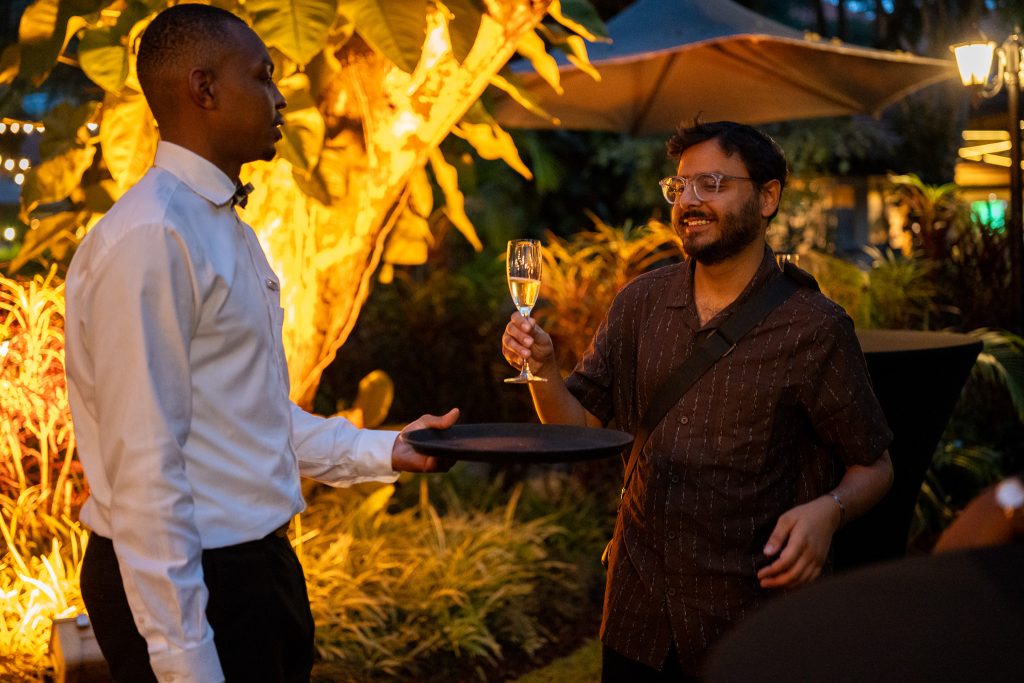
When launching a campaign, every comms professional knows this feeling: months of planning, a launch night that goes exactly as it should, and then the slow realisation that the campaign has nowhere left to go. The event was the plan. Nerima Kinyua thinks that is the wrong way to build a campaign, and the Pango Wine Cellar launch at Fairview Hotel Nairobi, Vignette Collection, is her proof.
As Cluster Marketing & Communications Manager across three Nairobi properties, Fairview Hotel Nairobi, Holiday Inn Nairobi -Two Rivers, and Best Western Upper Hill, Nerima, recently led a launch that generated quality media coverage, sold out twice, and is still driving conversations and bookings. We asked her to open up her playbook, the planning process, the decisions, the tensions she had to navigate, and the lessons she would hand to any comms professional taking on a project like this.
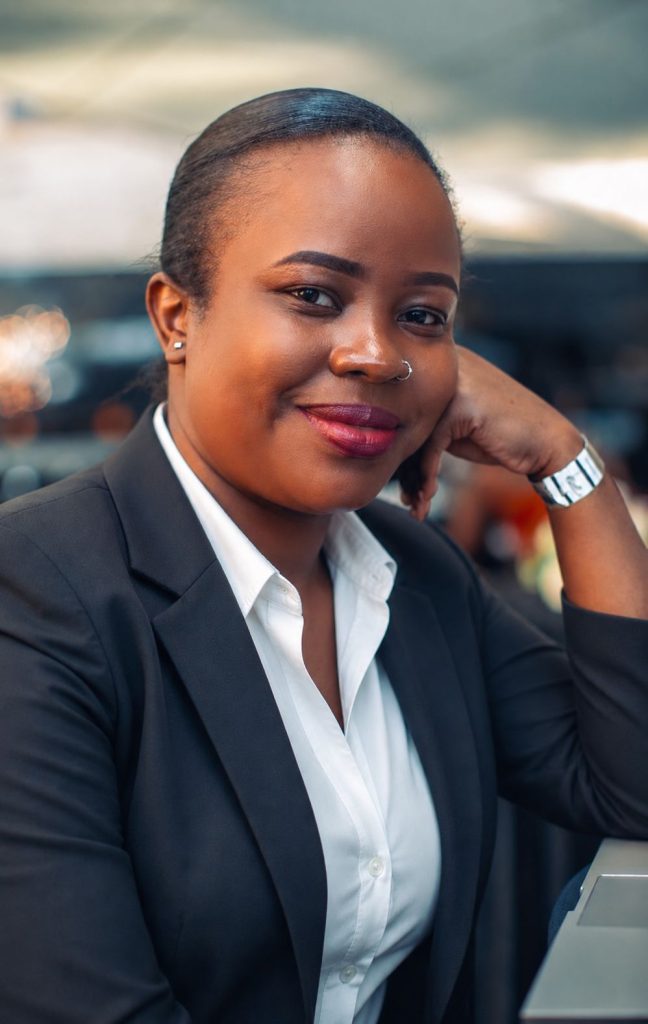
Here is how the conversation unfolded:
Tell us a little about yourself – how you got into communications, what your role as Cluster Marketing & Communications Manager actually involves across three properties, and what keeps you in this industry.
I currently serve as Cluster Marketing & Communications Manager, overseeing marketing, public relations, social media, partnerships, brand positioning, and communications for three properties in Nairobi: Fairview Hotel Nairobi, Holiday Inn Nairobi Two Rivers, and Best Western Upper Hill.
My journey into communications started with a passion for storytelling and relationship-building. Over time, I realised that great communications sit at the intersection of strategy, creativity, and business impact, which is what continues to excite me today.
My role is incredibly dynamic because each property serves different audiences and business objectives. On any given day, I might be planning a PR campaign, managing media relationships, developing social media content, coordinating influencer partnerships, organising events, or working closely with operations teams to bring new experiences to market.
What keeps me in this industry is the ability to create meaningful experiences and tell stories that connect people. Hospitality is ultimately a people business, and communications allows us to showcase the moments, experiences, and teams that make those connections possible. Seeing a campaign move from concept to execution and then watching guests engage with it is one of the most rewarding parts of my work.
What was the brief, and what were you trying to achieve with the Pango Wine Cellar launch?
The brief was to officially launch Pango Wine Cellar as a distinctive dining and wine experience while positioning it as a destination for curated culinary experiences and intimate gatherings. Beyond introducing a new venue, we wanted to create awareness, generate conversation, attract media and influencer attention, and ultimately drive reservations.
Our objective was to move beyond a traditional launch event and create a story that people would want to experience for themselves. We wanted guests to understand that Pango Wine Cellar was not just a physical space, but an experience centred around exceptional wines, food pairings, and memorable moments.
Success for us meant securing quality media coverage, building anticipation before launch, generating social media engagement, and translating that interest into actual bookings and attendance for future events.
Walk us through how you planned it – timeline, key decisions, how the team came together.
Planning started several weeks before launch. The first step was aligning all stakeholders on the vision for Pango Wine Cellar and determining the story we wanted to tell.
One of the key decisions was to make the launch experiential rather than purely ceremonial. We worked closely with our culinary team, particularly the three chefs involved, to curate a wine-pairing experience that would showcase their expertise and demonstrate the versatility of the venue.
From a communications perspective, I developed a phased approach. This included teaser content, media engagement, influencer invitations, and personalised outreach to key stakeholders. We carefully selected guests who would appreciate and amplify the experience authentically.
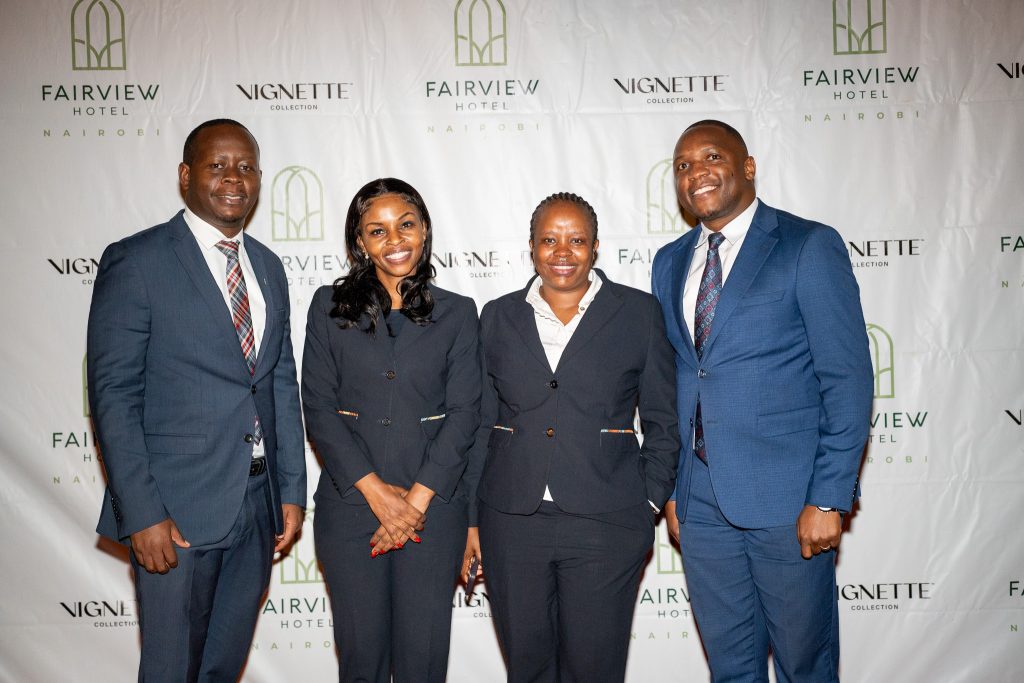
Internally, success depended on collaboration. Marketing, operations, food and beverage, the culinary team, and our wine partner all played important roles. Regular planning meetings ensured everyone understood the objectives and their responsibilities.
After the launch, we maintained momentum through media follow-ups, social media content, and additional events, including two wine experiences that sold out completely.
What was the hardest part to get right?
The challenging aspect was balancing exclusivity with visibility.
Wine experiences tend to perform best when they feel intimate and curated, but from a communications perspective, you also want enough reach and awareness to generate excitement. Finding the right guest mix of media, influencers, partners, and prospective customers required careful consideration.
Another challenge was ensuring that every touchpoint reflected the premium experience we wanted guests to associate with the brand, from invitations and event flow to food presentation and storytelling.
What would you do differently if you ran it again?
If I were to do it again, I would consider incorporating guest-generated content opportunities earlier in the planning process to maximise real-time engagement during the event itself.
What’s the one thing you wish someone had told you before a project like this?
The event itself is only part of the campaign.
It’s easy to focus heavily on launch day, but the real value often comes from what happens before and after. The storytelling, stakeholder engagement, media follow-up, content repurposing, and relationship-building are what extend the lifespan of the campaign and maximise return on investment.
A successful event lasts a few hours. A successful communications campaign continues generating value long after the last guest leaves.
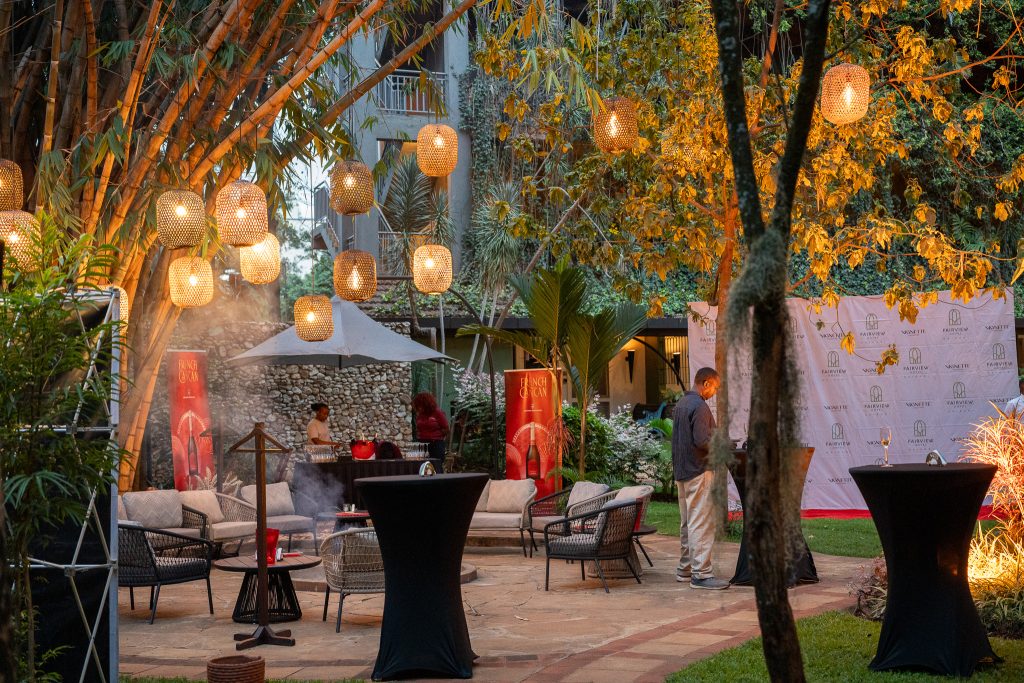
What does this campaign say about where communications in hospitality is heading?
I believe hospitality communications is becoming increasingly experience-led and community-driven.
Guests are no longer simply buying accommodation, food, or beverages. They are looking for experiences they can connect with, talk about, and share. As communicators, our role is shifting from promoting products to creating meaningful stories around experiences.
There’s also a growing emphasis on authenticity. Audiences respond more strongly to genuine stories, real people, and behind-the-scenes moments than polished corporate messaging alone.
For hospitality brands, communications is becoming less about broadcasting messages and more about creating conversations and memorable experiences that people want to be part of.
Nerima Kinyua is Cluster Marketing & Communications Manager at Fairview Hotel Nairobi, Holiday Inn Nairobi Two Rivers, and Best Western Upper Hill Nairobi.
This conversation is part of Comms Expert POV – Comms Arena’s series where Africa’s communications professionals share the real work, real decisions, and real lessons behind their most compelling projects.